
All Inari Okami Shrines in Japan: What to See and Buy on a Spiritual Journey
- Inari-Sama Shop

- May 20
- 5 min read
Japan is a country where ancient traditions harmoniously coexist with futuristic megacities. If you are interested in spiritual tourism, self-discovery, and Eastern culture, your path will inevitably lead you to the shrines dedicated to Inari Ōkami (also lovingly known as Inari-Sama).
Inari Ōkami is one of the most revered Shinto deities (kami), responsible for fertility, rice, tea, business, prosperity, and worldly success. Researchers estimate that nearly one-third of all Shinto shrines in Japan (over 30,000!) are dedicated to Inari-Sama.
In this comprehensive guide, we will explore the main Inari Ōkami shrines in Japan, highlight what you must see, and discover the unique spiritual souvenirs and amulets you should acquire along the way.
The Top Shrines of Inari-Sama in Japan to Visit
While visiting all 30,000 shrines is nearly impossible, there are the "Three Great Shrines of Inari Ōkami" (Nihon Sandai Inari) that serve as the ultimate centers of pilgrimage.
1. Fushimi Inari Taisha — Kyoto

This is the beating heart of the faith dedicated to Inari-Sama and one of the most recognizable landmarks in the world, located on the sacred Mount Inari.
What to see: The legendary Senbon Torii corridor — thousands of vibrant vermilion (red-orange) torii gates winding up through the mountain forest. Also, look out for the stone lanterns and countless statues of foxes (Kitsune), the mythical messengers of Inari Ōkami.
Spiritual experience: Hike the mountain path at night. The atmosphere becomes deeply mystical, the tourist crowds vanish, and you are left alone with nature and the spirits of Inari-Sama.
2. Yutoku Inari Shrine — Saga Prefecture (Kyushu)
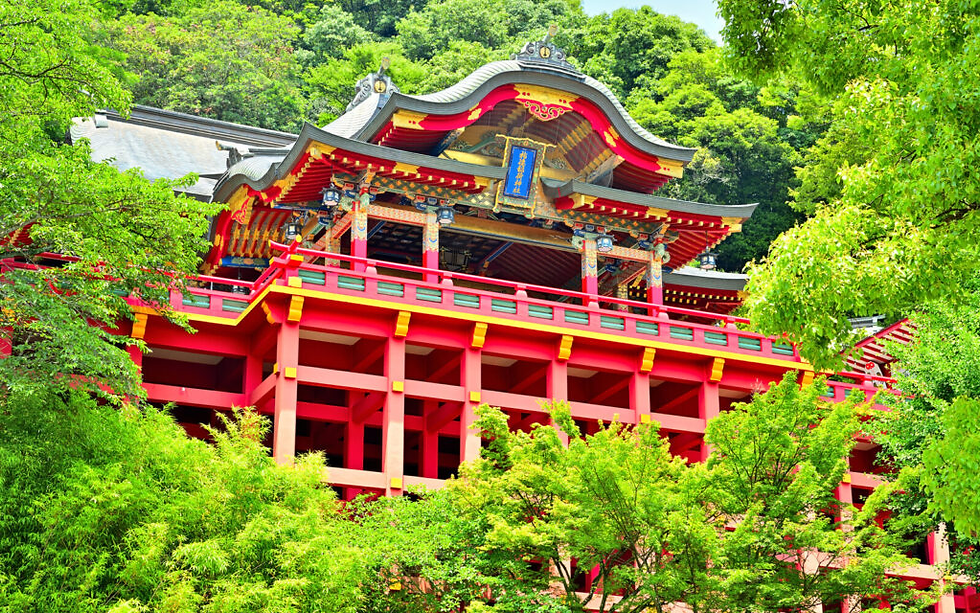
Often referred to as the "Nikko of Kyushu" due to its lavish decoration, vibrant colors, and stunning woodwork dedicated to Inari Ōkami.
What to see: The main shrine hall is built on high wooden stilts into a steep hillside, reminiscent of the famous Kiyomizu-dera in Kyoto. The view of the city and the surrounding valley from the top terrace is breathtaking.
3. Toyokawa Inari — Aichi Prefecture
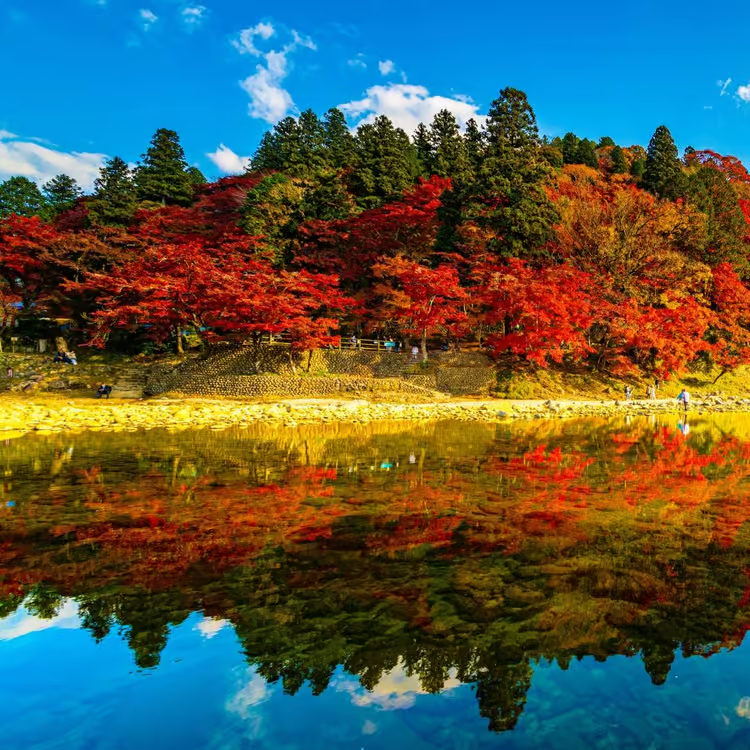
A fascinating destination that perfectly showcases shinbutsu-shugo — the historical blending of Shintoism and Buddhism. Officially, it is a Buddhist temple (Myogen-ji), but it is dedicated to Daakiniten, a Buddhist deity syncretized with Inari-Sama.
What to see: The Reiko-zuka field, where more than 1,000 stone fox statues wearing red bibs are gathered to honor Inari Ōkami. It is a mesmerizing, slightly eerie sight that radiates powerful spiritual energy.
Interesting Fact: Depending on the region, Kasama Inari (Ibaraki Prefecture) or Takayama Inari (Aomori Prefecture) — famous for its winding torii paths over a traditional Japanese pond — are also considered part of the top three grand shrines of Inari-Sama.
What to See & Look For: Pilgrim Secrets
Shinto shrines dedicated to Inari Ōkami are rich in symbolism. To elevate your spiritual tourism experience, pay close attention to these sacred elements:
The Kitsune Messengers: These foxes are not Inari-Sama themselves, but rather the spirit messengers of the deity. They usually hold symbolic objects in their mouths or under their paws: a key (to the rice granary or the human heart), a jewel (representing the soul), or a sheaf of rice.
Omokaru Stones (Heavy/Light Stones): Found at many shrines of Inari Ōkami, these are stone lanterns with detachable tops. Make a wish to Inari-Sama and lift the stone. If it feels lighter than you expected, your wish will come true smoothly; if it feels heavier, you will need to put in extra effort to achieve your goal.
The Purification Ritual (Temizuya): Before approaching the altar of Inari Ōkami, rinse your hands and mouth at the stone water pavilion. This is the first essential step to clearing your mind and showing respect to the kami.
What to Buy: Spiritual Souvenirs and Sacred Artifacts
The shrines of Inari-Sama offer unique items that hold deep spiritual value for practitioners of spiritual tourism, energy healing, and mindfulness.
What to purchase | Description & Spiritual Meaning |
Omamori  | Fabric or paper protective amulets. At the shrines of Inari Ōkami, they are most frequently tied to business prosperity (Shōbai Hanjō), wealth, road safety, or warding off evil spirits through the grace of Inari-Sama. |
Ema 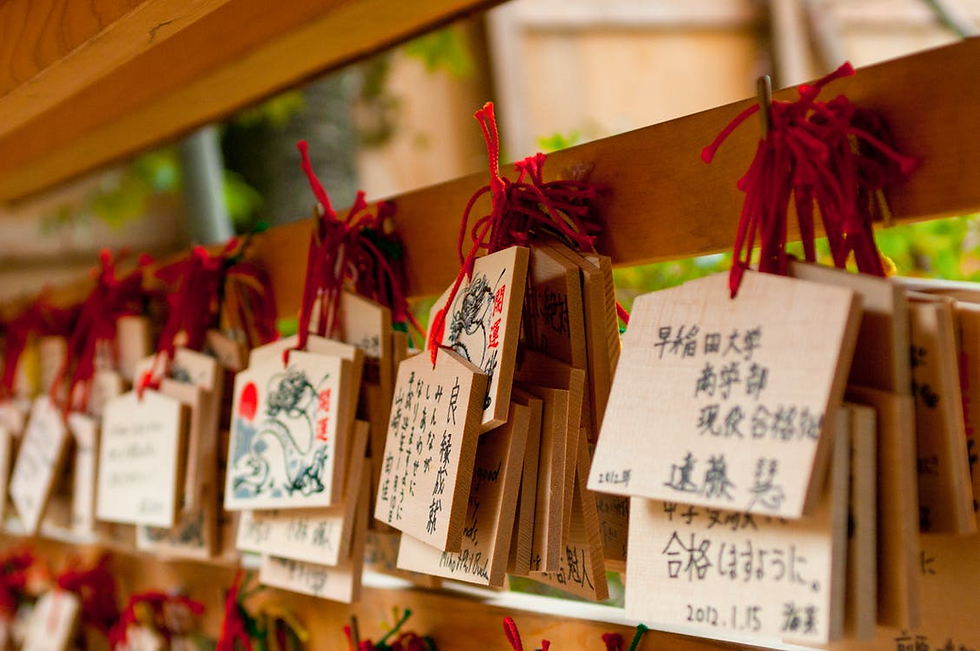 | Wooden wishing plaques. In these shrines, they often come in the shape of a fox's head or a mini torii gate. You can draw a face on the fox, write your deepest wishes to Inari Ōkami on the back, and either hang it at the shrine or take it home. |
Omikuji  | Fortune-telling paper strips. Look for the special Kitsune-omikuji, where the fortune paper is hidden inside a charming little ceramic fox figurine representing the messenger of Inari-Sama. You keep the figurine as a lucky talisman. |
Goshuin  | Sacred calligraphy stamp. Purchase a dedicated book (Goshuincho) and collect unique ink stamps and calligraphy handwritten by monks at each shrine. It serves as a beautiful spiritual passport of your pilgrimage to Inari Ōkami. |
Gastronomic Blessing: Inari Sushi
You cannot leave a shrine dedicated to Inari Ōkami without trying Inari Sushi — pouches of fried tofu (aburaage) stuffed with seasoned sushi rice. According to legend, fried tofu is the favorite food of the Kitsune messengers of Inari-Sama. Eating this dish near the shrine is a symbolic way of sharing a meal with the spirits.
Tips for Spiritual Travelers in Japan
Etiquette and Dress Code: Shrines of Inari-Sama are active places of worship. Dress modestly and keep your voice down. Avoid photographing people while they pray, and respect signs prohibiting photography inside the main altar halls (honden).
The Prayer Ritual: Approach the altar of Inari Ōkami, gently toss a coin into the offering box (a 5-yen coin is best, as "go-en" sounds like the Japanese word for "good fate" or "connection"), ring the bell if there is one, bow deeply twice, clap your hands twice, hold your hands together in silent prayer to Inari-Sama, and finish with one final deep bow.
The Best Time to Visit: Early morning (06:00–08:00 AM) is ideal for meditation and absorbing the architectural beauty of Inari Ōkami shrines in absolute serenity before the crowds arrive.
Conclusion
A journey through the shrines of Inari Ōkami is far more than mere sightseeing. It is an immersion into Shinto philosophy, where nature, humanity, and the divine exist as one. The vibrant vermilion torii gates winding through ancient forests, the rustle of leaves, and the mysterious gaze of the stone Kitsune will help you find inner peace and re-center your spiritual path under the guidance of Inari-Sama.
If you wish to connect with this ancient magic but cannot visit Japan in person just yet, or if you want to expand your collection with authentic artifacts, there is a perfect way to do so. Traditional ema plaques, protective omamori amulets, and other sacred items charged with the energy of prosperity can be ordered directly from the specialized online shop inarisamashop.org. This allows you to bring a piece of Inari Ōkami’s blessing right into your home, no matter where you are in the world.


Comments